
Annalisa Banzi
Art Historian | Neuroaesthetics Researcher | Museum Experience Designer

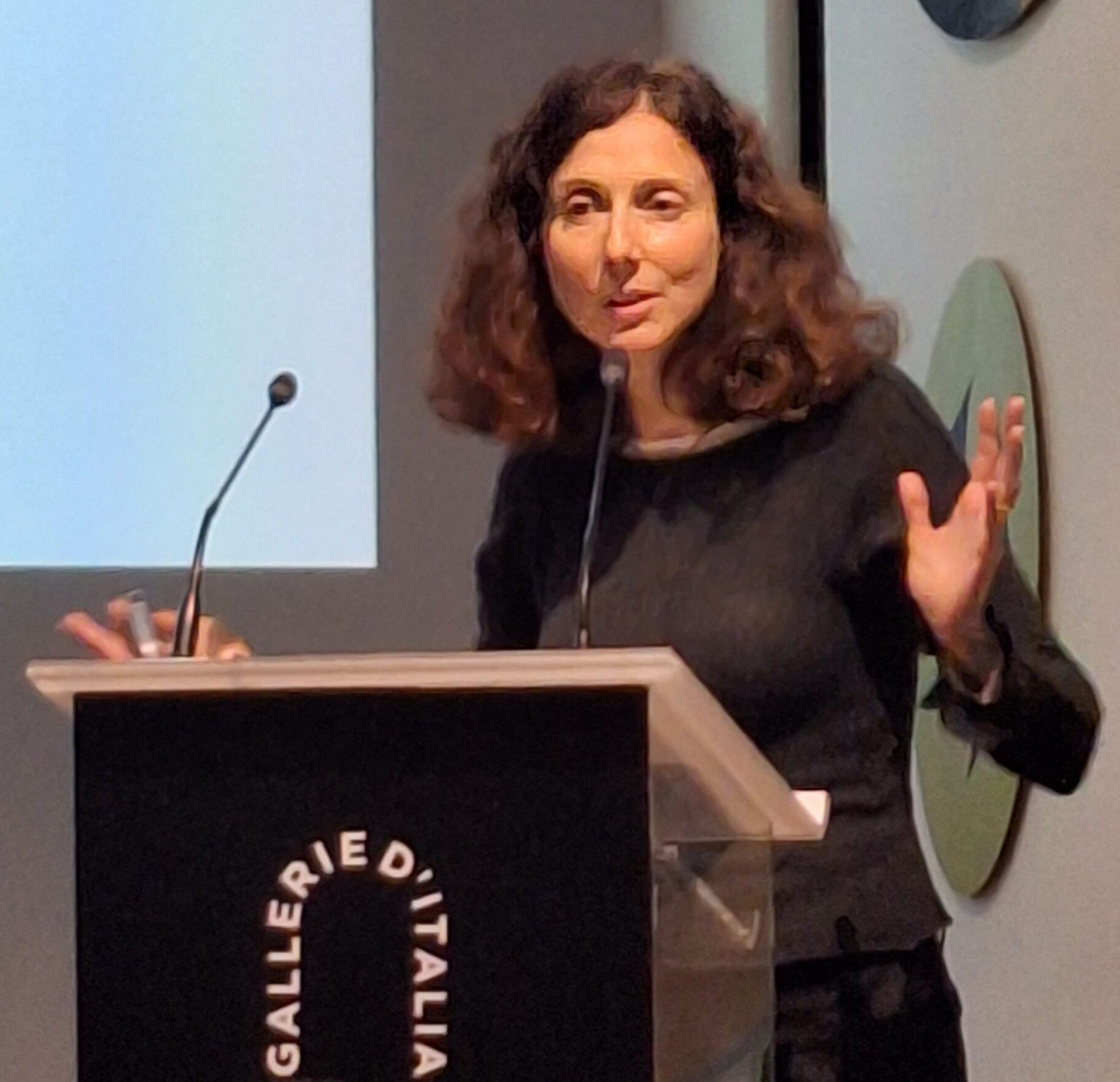
Annalisa is a Mentor at the CODAME ART+TECH Festival (2026)
![ART+TECH Festival [2026]](https://substackcdn.com/image/fetch/$s_!xMBg!,w_140,h_140,c_fill,f_webp,q_auto:good,fl_progressive:steep,g_auto/https%3A%2F%2Fsubstack-post-media.s3.amazonaws.com%2Fpublic%2Fimages%2F8a6d59a4-0891-4053-8aa3-ba2baa30162d_714x391.jpeg)
Art historian and interdisciplinary researcher specializing in the intersection of museum studies, cognitive psychology, and neuroscience. As a post-doc researcher at the University of Milan and a consultant for the CESPEB (Center for Studies on the History of Biomedical Thought), her work focuses on transforming cultural spaces into environments that foster mental well-being and cognitive satisfaction.
Annalisa is the founder and coordinator of the ASBA Project (Anxiety, Stress, Brain-friendly Museum Approach) and the BeWe Project (Art and Beauty for Visitor Wellbeing). Her research utilizes biometric data, such as EEG monitoring, to understand how the contemplation of art can be used as a tool for emotional regulation and stress reduction.
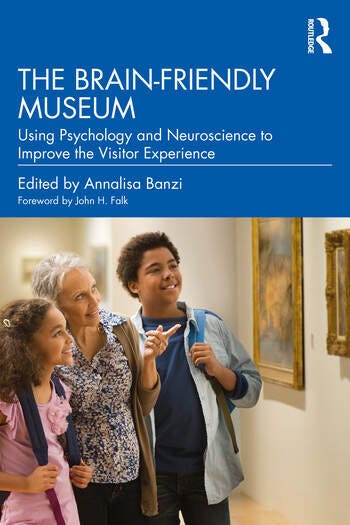
She is the author of the book The Brain-Friendly Museum - Using Psychology and Neuroscience to Improve the Visitor Experience (Routledge, 2023), which provides a framework for museum professionals to align exhibitions with human cognitive needs.
In addition to her research, she teaches Psychology of Perception and Sociology of Cultural Processes at the Academy of Fine Arts of Macerata.
Key Focus Areas:
Neuroaesthetics: Investigating the neural basis of aesthetic experience.
Visitor Well-being: Designing “brain-friendly” environments to reduce anxiety and increase engagement.
Inclusive Museum Design: Developing evidence-based practices to improve the accessibility and impact of cultural content.